
Aragón and La RiojaLaguardia
The wine villages of La Rioja
Along the upper Ebro, stone villages sit on low hills above vineyards: Haro with its old wine houses by the railway, Laguardia hollowed out by cellars, Briones looking down on the river.
The dish: Lamb chops grilled on vine cuttings
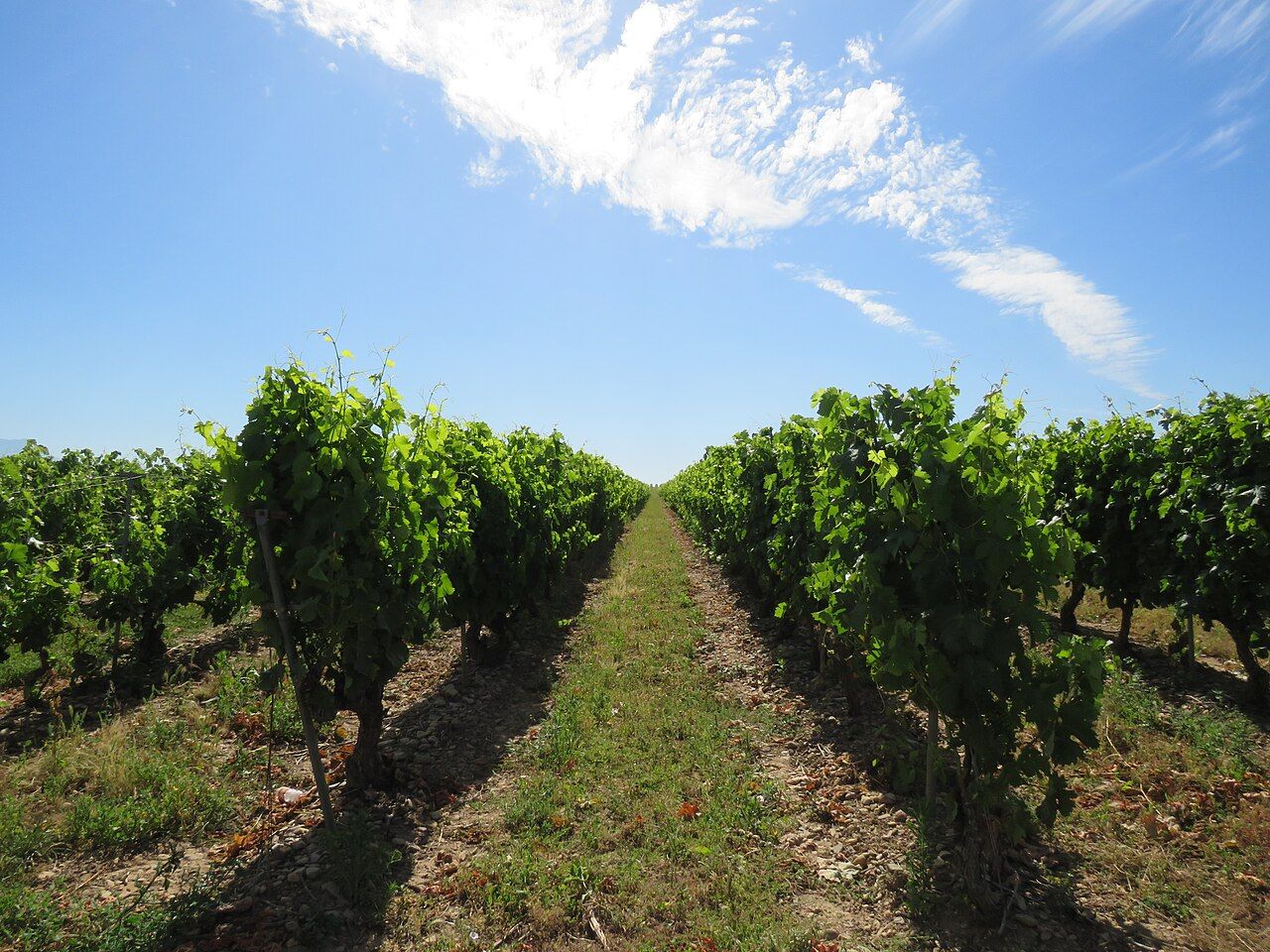
La Rioja is the smallest of Spain's mainland regions, and its name is known worldwide for one thing. The wine comes from a strip of land along the upper Ebro, sheltered from the Atlantic by the Cantabrian mountains to the north and from the dry interior by the Sierra de la Demanda to the south. Within that strip, in country of vines, wheat and poplars along the rivers, sit a string of stone villages built on low hills. Several have been making wine for as long as they have existed. A few days driving slowly between them, with lunch in the middle of each day, is one of the best ways to understand how wine country works: the vineyards, the cellars dug under the houses, and the food cooked to go with the glass.
How the Rioja country fits together
The wine region does not stop at the borders of La Rioja itself. It is divided into three zones: Rioja Alta in the west around Haro, Rioja Alavesa on the north bank of the Ebro, which belongs politically to the Basque province of Álava, and Rioja Oriental to the east, warmer and drier. Tempranillo is the main red grape, joined by Garnacha, Graciano and Mazuelo; the main white grape is Viura. Rioja was the first Spanish wine to be given the higher calificada status, in 1991.
Rioja's traditional labels describe ageing rather than vineyards. A crianza has spent time in oak barrels and bottle before release; a reserva longer; a gran reserva longest of all, often many years, and these older wines have the soft, savoury character, with notes of leather and dried fruit, that made the region's name. Younger wines and single-vineyard bottlings have become more common, and the old classification has been widened to include village and vineyard names.
Haro and the station district
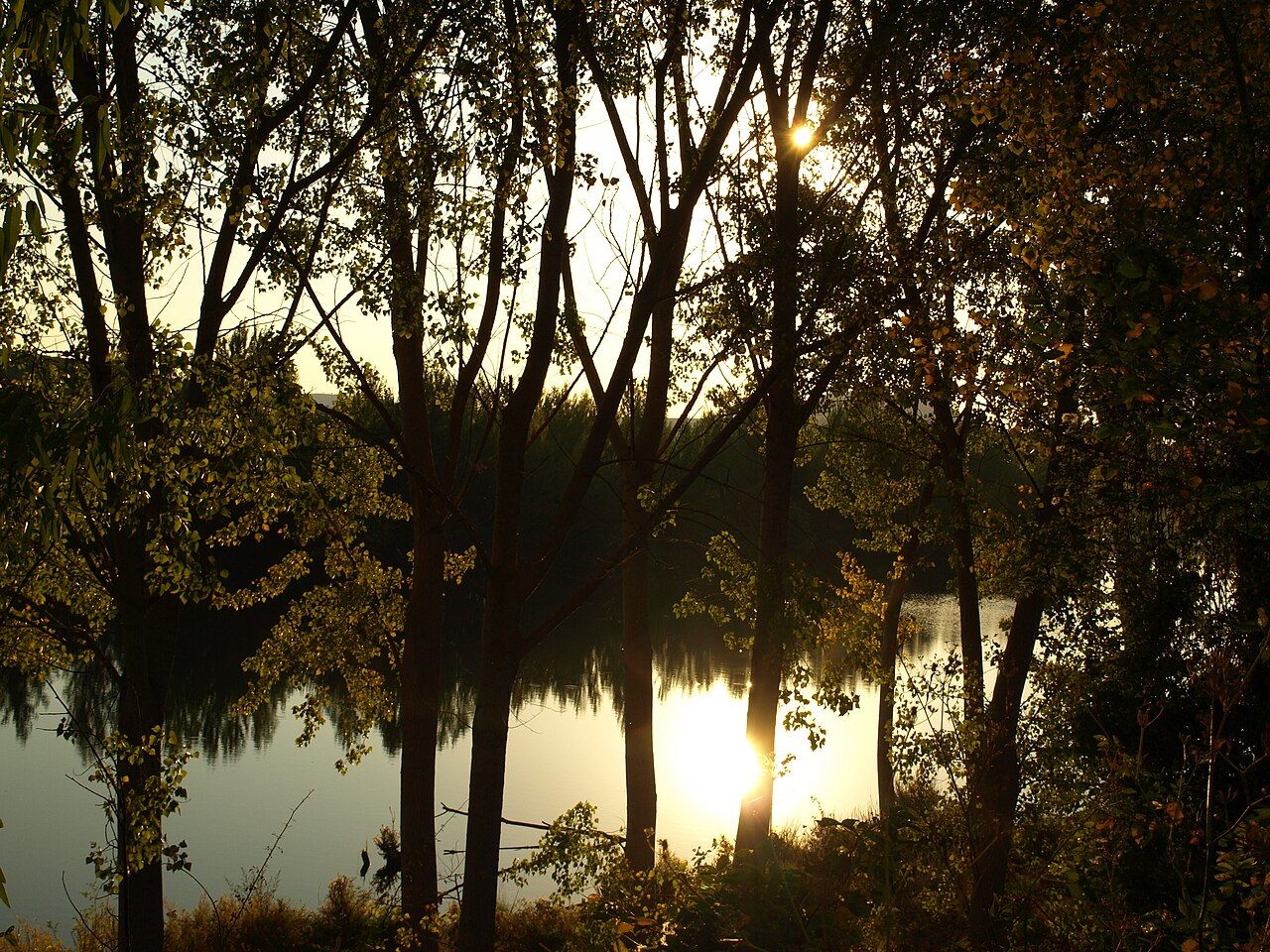
Haro, in the far west of the region, is the old capital of the wine trade. The town centre is a tidy place of stone mansions, a broad arcaded square and a big Gothic church of Santo Tomás at the top. The part that matters for wine lies below, by the river and the railway, in what is called the Barrio de la Estación.
When phylloxera, an aphid that kills vines at the root, devastated the vineyards of France in the second half of the nineteenth century, merchants from Bordeaux crossed the Pyrenees looking for wine. They found it in Rioja, and the railway that reached Haro in the 1860s let them ship it out in barrels. A cluster of wine houses grew up around the station, several of them still working today in their original stone buildings, with cellars full of barrels running back into the hill. Many offer visits and tastings, but almost all ask you to arrange them ahead; check before you go.
At the end of June, Haro holds a wine battle on the hill of Riscos de Bilibio outside town, where people dressed in white soak each other with red wine from buckets, bottles and sprayers. It is chaotic and good-humoured, and you will not keep your clothes.
Briones and Laguardia
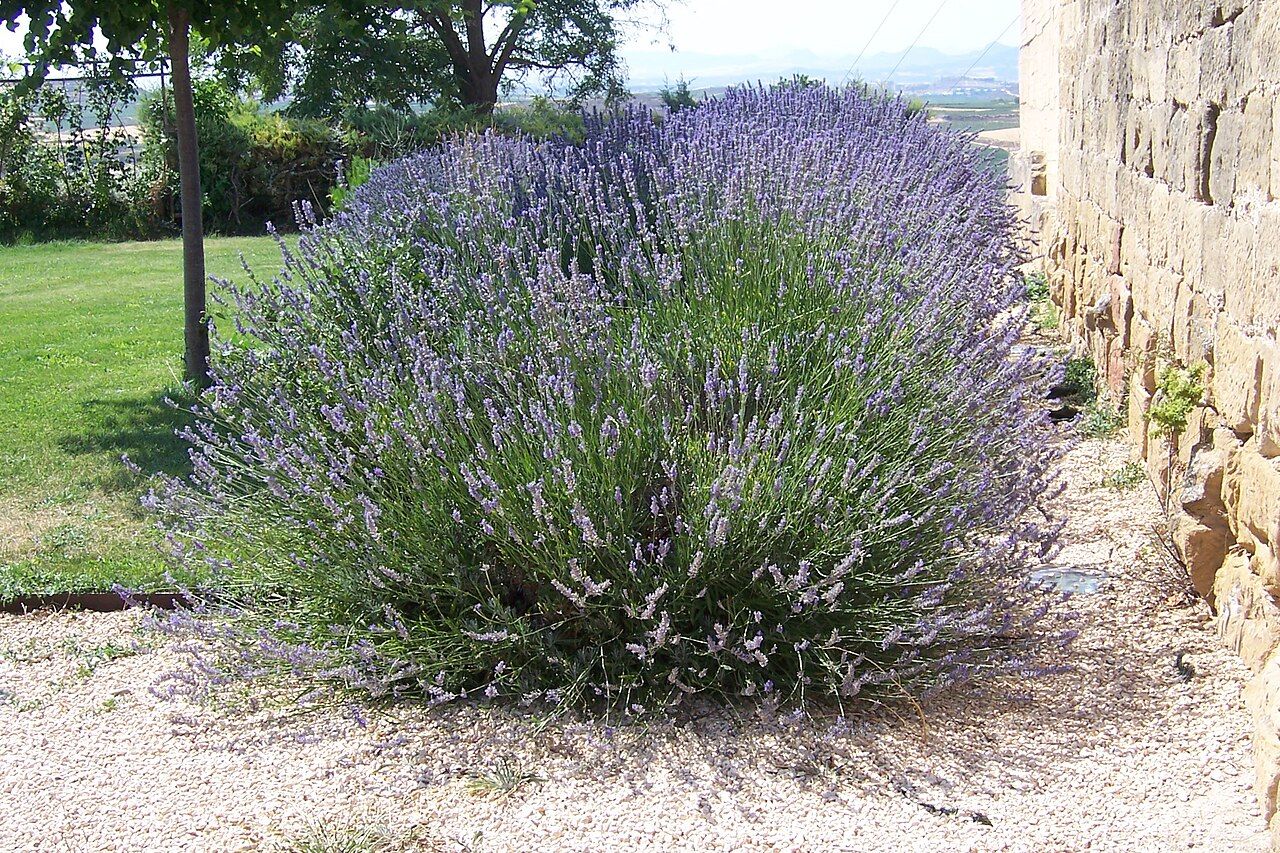
A short drive east, Briones sits on a hill above a bend in the Ebro. It is small and well kept, with a church of the Assumption whose tower you see from miles away, stone houses with carved coats of arms, and lookout points over the river and the vineyards running towards the mountains. Briones has the stillness of a place where most work happens outside the walls, in the vines.
A detour: Inland PortugalThe Douro valley terracesAcross the river, Laguardia stands on a ridge in Rioja Alavesa, entirely enclosed by medieval walls, with the Sierra de Cantabria rising sharply behind it. Cars are kept outside the walls, so you walk in through one of the old gates and along three long parallel streets. The town's secret is underground: beneath the houses, generations dug cellars into the soft rock, and hundreds of them still run under the streets, cool and constant all year round. Some can be visited. Above ground, the church of Santa María de los Reyes has a Gothic portal whose carved figures still carry much of their original paint, a rare survival, protected for centuries by a later porch.
Between the two, you can stop at San Vicente de la Sonsierra, crowned by a castle and a church on a rock above the river, with views straight down to the old bridge.
What to eat in the wine villages
Riojan cooking is country food built around what grows in the valley. The dish everyone eats is patatas a la riojana: potatoes broken into chunks with the point of a knife rather than cut clean, so they release starch and thicken the broth, stewed with chorizo, onion, garlic, a little dried red pepper and plenty of paprika. It is a winter dish and a harvest dish, cheap and filling, and it appears on almost every lunch menu of the region.
The dish to seek out is chuletillas al sarmiento, small lamb chops from milk-fed lambs grilled over burning vine cuttings, the prunings saved from the winter work in the vineyard. The cuttings burn fast and hot, with a scented smoke, and the chops are eaten with the fingers, salted and nothing else. In late summer look for pochas, fresh white beans cooked before they dry, and all year for menestra, a stew of spring vegetables. In autumn, sacks of red peppers are roasted in the streets for preserving.
In the regional capital, Logroño, the Calle del Laurel and the streets around it are lined with small bars, each known for one or two tapas, from grilled mushrooms to fried pig's ear. Like everywhere in Spain, lunch runs from about 2 pm, and dinner rarely starts before 9 pm.
The cuttings burn fast and hot, with a scented smoke, and the chops are eaten with the fingers, salted and nothing else.
Roads, pilgrims and the harvest
The Camino de Santiago crosses La Rioja from east to west, entering at Logroño and passing through Navarrete, Nájera and Santo Domingo de la Calzada on its way towards Burgos. In the cathedral of Santo Domingo, a live hen and rooster are kept in a carved coop, in memory of a medieval legend about a young pilgrim falsely hanged and saved by a miracle. Downstream, the Ebro carries on east through Navarra to Zaragoza.
The grape harvest runs roughly from late September into October, depending on the year and the zone. It is the busiest and most interesting time to come, with tractors full of grapes on the roads and the smell of fermenting must in the villages, but cellars are also at their busiest, so visits are harder to arrange. Late spring, with the vines in fresh leaf, is quieter. Winters are cold, and the cellars are always cool, so carry a warm layer.
One rule above all: if you are driving between cellars, decide who is not drinking before the first glass. Spain's limits are strict and the roads are rural. For the bigger picture of Iberian stews, see the inland stew pot, of which the Riojan potato dish is a modest cousin.