
Inland PortugalCoimbra
Coimbra and the roast piglet of Bairrada
Portugal's old university town climbs a hill above the Mondego, crowned by a baroque library, and just to the north the Bairrada roasts whole suckling pigs and pours its sparkling wine.
The dish: Leitão à Bairrada
Coimbra is a town of steps. It climbs a steep hill above the river Mondego, from the busy lower town of shops and squares up through narrow lanes to the old university at the top, where the buildings of what was once a royal palace stand around a great courtyard. Coimbra was the capital of Portugal for over a century in the early Middle Ages, and its university is one of the oldest in Europe. It is still a student town, with traditions of black capes and serenades, and the university and its upper town are a World Heritage site. North of the city lies the Bairrada, a region of vineyards, small towns and one great dish: leitão, suckling pig, roasted whole in a wood oven.
The university on the hill
The university was founded in Lisbon in 1290 and moved between the two cities several times before settling in Coimbra for good in 1537, in the royal palace on top of the hill. The courtyard of the Paço das Escolas, the old palace, is open on one side to a view over the river and the town below, with a clock tower above. Around it stand the great hall where degrees are awarded, the chapel of São Miguel with its tiled walls and gilded organ, and the library.
Coimbra's students still wear black suits and long black capes for ceremonies, and the city has its own form of fado, sung by men, often students, with a slower and more lyrical style than the fado of Lisbon. At the end of the academic year, in spring, students celebrate with a week of festivities when the town fills with music; dates change each year.
The Joanina library
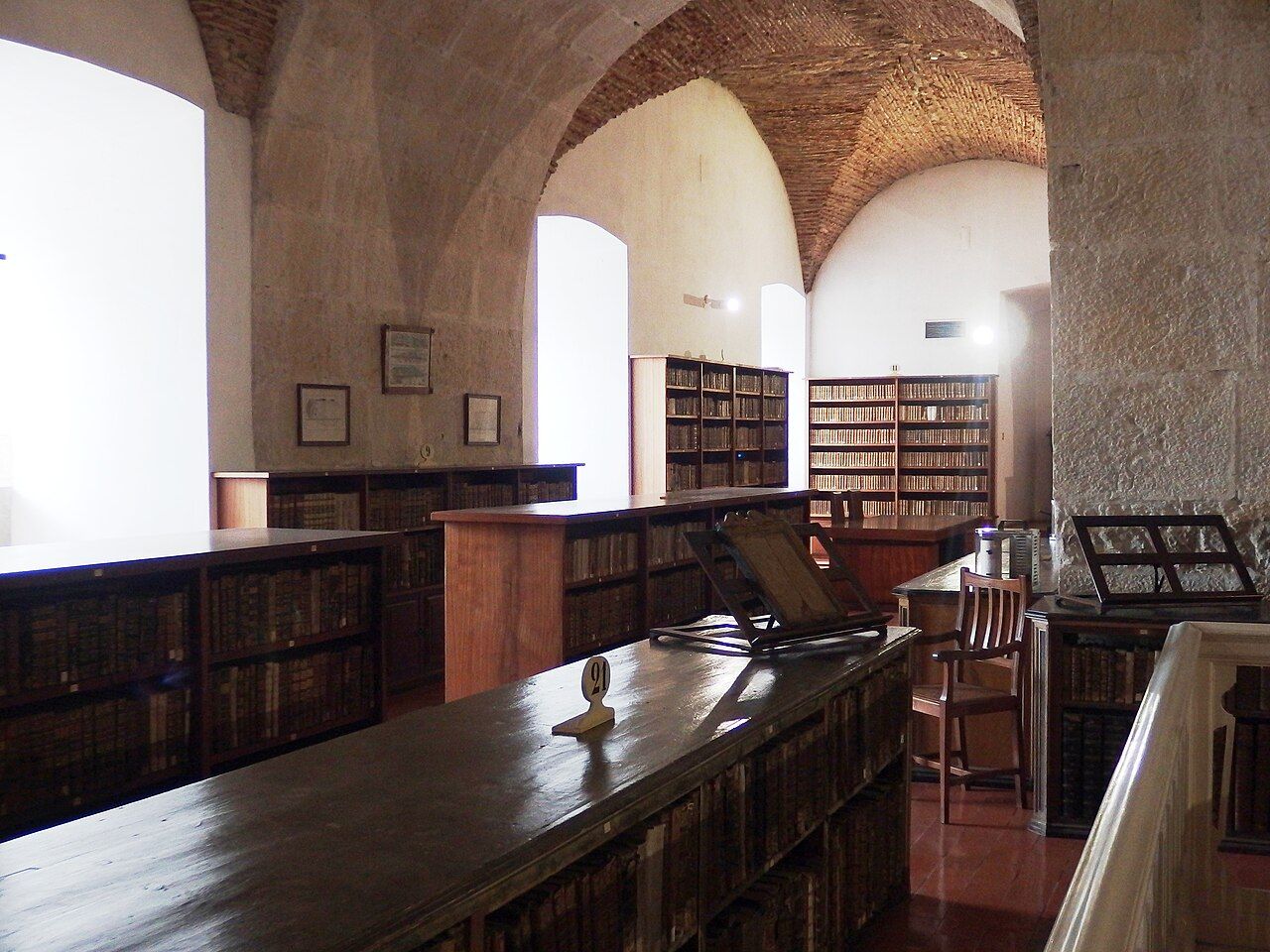
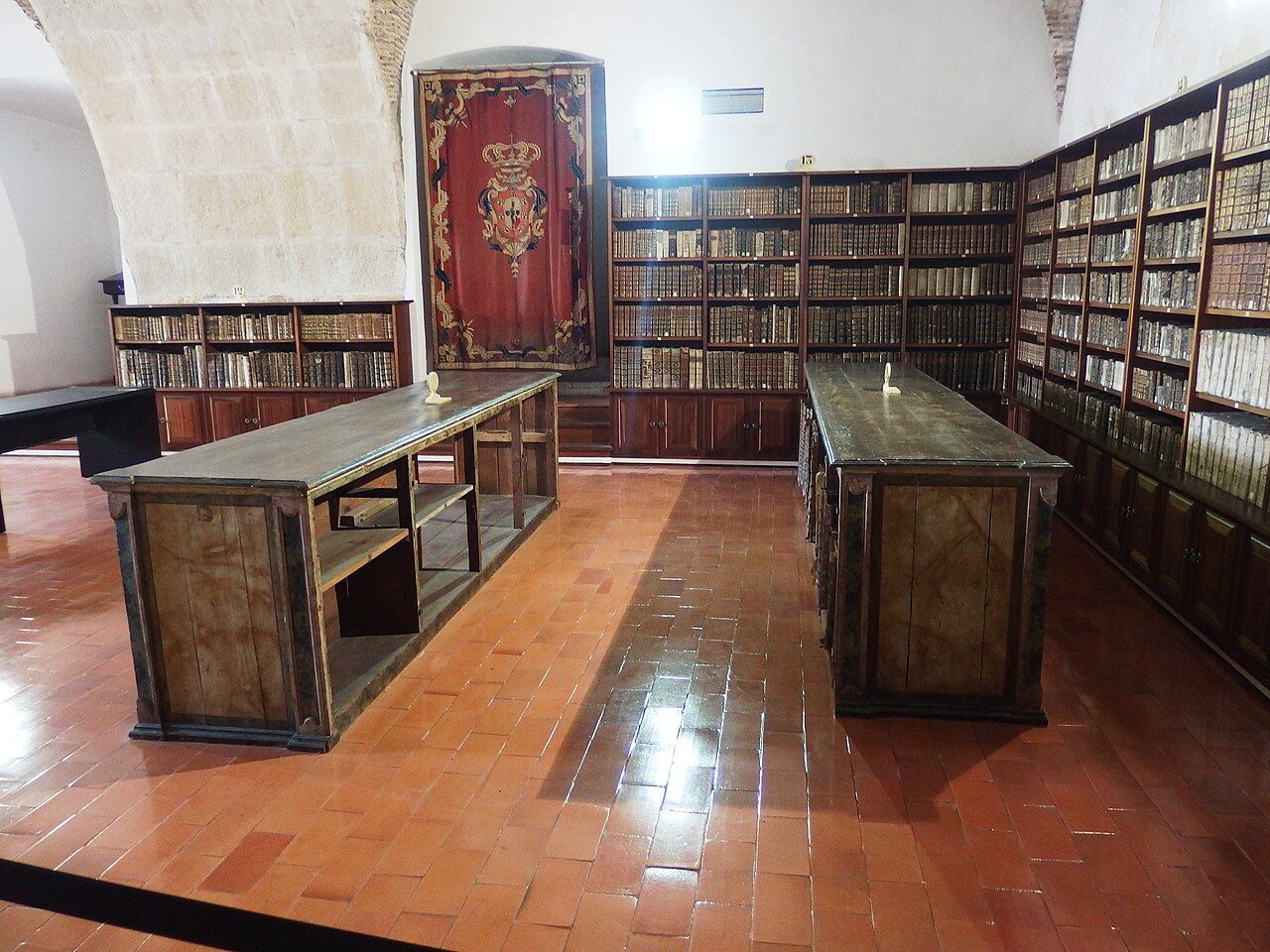
The Biblioteca Joanina, built in the early eighteenth century under King João V, is one of the great baroque libraries of Europe. Its main hall is a sequence of three rooms lined with gilded and lacquered bookshelves rising to the ceiling, full of old leather-bound books. Its thick walls and heavy teak doors keep the temperature steady, and a colony of small bats lives inside and hunts insects at night that would otherwise damage the books; the tables are covered at night to protect them.
Below the grand hall, the lower floors are plainer: vaulted stone rooms of bookcases, reading tables and lecterns, where books were stored and studied, and at the bottom an old academic prison where students were once locked up for misbehaviour. Visits are timed and limited in number, so book ahead and check before you go.
The old town and the river
Below the university, the old town is a maze of steep, narrow lanes and stairways. Halfway down stands the Sé Velha, the old cathedral, a fortress-like Romanesque church of the twelfth century, with a square front and a quiet cloister. At the bottom, near the river, the monastery of Santa Cruz holds the tombs of Portugal's first two kings, including Afonso Henriques, who made Coimbra his capital.
The Mondego runs wide and slow below the city. Across the river, the ruins of the Gothic convent of Santa Clara-a-Velha stand in a low area that was flooded for centuries by the river and has been drained and excavated. Riverside paths run along both banks, and the view back across the water to the town stacked up its hill is the classic picture of Coimbra.
Leitão and the Bairrada
The dish to eat around Coimbra is leitão à Bairrada. A young suckling pig is rubbed inside with a paste of garlic, pepper, salt and lard, threaded on a long spit and roasted whole in a very hot wood oven until the skin is thin and crackling and the meat soft. It is cut into pieces with the bone in and served hot or at room temperature, usually with potato crisps, sliced orange and a green salad, sometimes with a peppery sauce made from the juices.
The centre of the trade is Mealhada, a small town about twenty kilometres north of Coimbra on the old main road from Lisbon to Porto. For generations, travellers stopped there to eat, and the road is still lined with places roasting pigs, some of them huge. The tradition is close to the Castilian roast suckling pig of Segovia, but the seasoning, the garlic and pepper paste, and the way it is served are different.
To drink, the Bairrada makes red wine from the Baga grape, tannic and long-lived, but the classic match for leitão is the region's sparkling wine, espumante, made by the traditional method of a second fermentation in the bottle. Its acidity cuts through the fat. Around Coimbra you also find chanfana, goat slowly cooked in red wine in a clay pot, a dish of the hills to the south and east, and sweet pastries from the convents, such as the thin, crisp pastries of Tentúgal.
Getting there and around
Coimbra lies roughly halfway between Lisbon and Porto, on the A1 motorway and the main railway line. The old town is steep and best explored on foot; leave the car below. The Bairrada is a short drive north. Portuguese lunch starts earlier than in Spain, often from about 12.30 or 1 pm, and many places close one day a week. From Coimbra, the road northeast leads to the Douro valley terraces and on to Bragança. For more of Portugal's one-pot cooking, see the inland stew pot.